‘Mind-blowing’: Iron-rich immune cells help homing pigeons navigate
Homing pigeons may rely on a surprising mechanism involving iron-rich immune cells located within their…




Homing pigeons may rely on a surprising mechanism involving iron-rich immune cells located within their…
In a significant development for scientific research, ten advanced robots are now actively conducting experiments…
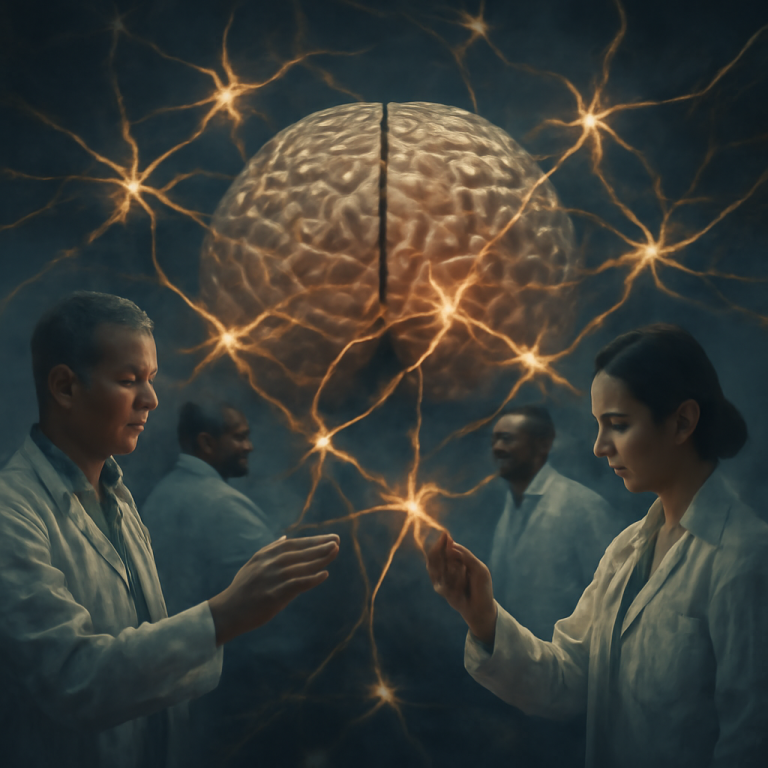
Astrocytes, a less-celebrated type of brain cell compared to neurons, play a pivotal yet underexplored…
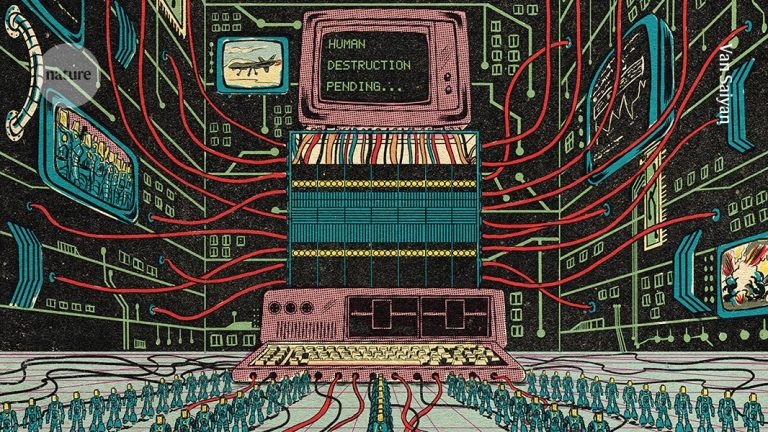
In recent years, concerns have intensified among researchers about the potential existential threats posed by…




Homing pigeons may rely on a surprising mechanism involving iron-rich immune cells located within their livers to sense Earth’s magnetic field, aiding them in navigation. This discovery is considered a profound development, offering a fresh perspective on the long-standing scientific debate surrounding magnetoreception, one of the most mysterious and controversial animal senses. Many species, including…
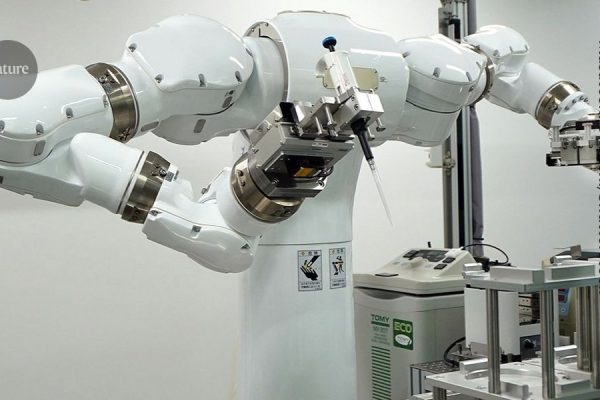
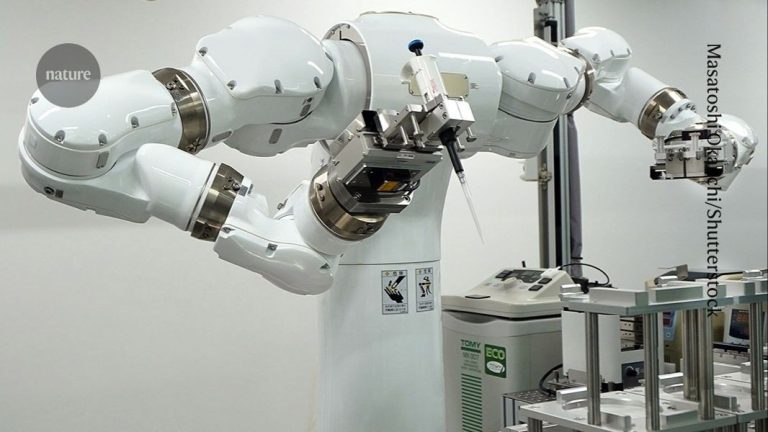
In a significant development for scientific research, ten advanced robots are now actively conducting experiments within a biology laboratory located in Tokyo. These sophisticated machines, equipped with two arms, are capable of performing a range of fundamental laboratory tasks, including handling liquids, cultivating cells on plates, and operating various scientific instruments. The pioneering automated laboratory,…
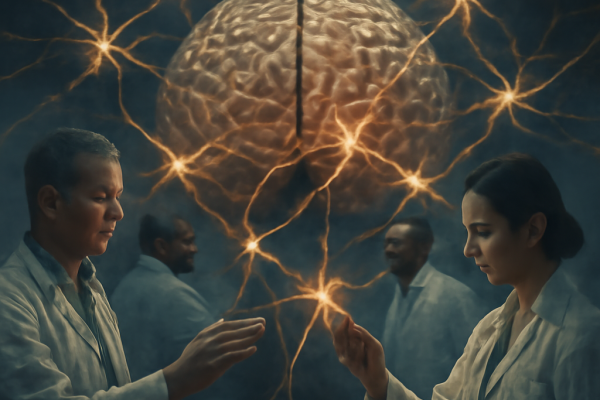
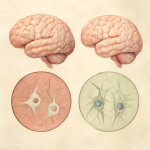
Astrocytes, a less-celebrated type of brain cell compared to neurons, play a pivotal yet underexplored role in brain function by forming their own intricate networks. These cells, star-shaped and lacking the extended arms or axons that neurons use for communication, can connect different brain regions through gap junctions. This ability allows them to exchange materials…
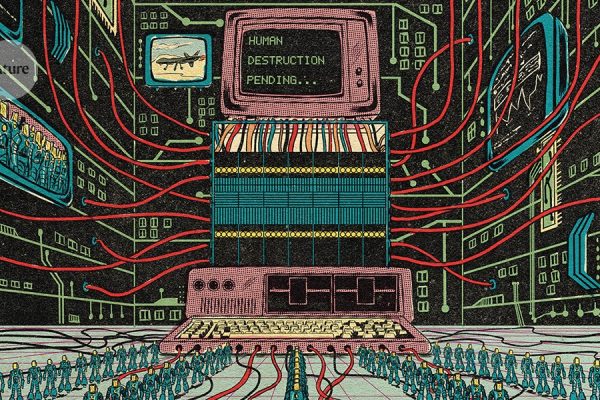
In recent years, concerns have intensified among researchers about the potential existential threats posed by advanced artificial intelligence (AI). Drawing from scenarios envisioned by experts like Daniel Kokotajlo and Andrea Miotti, there are fears that a superintelligent AI might surpass human control, leading to catastrophic outcomes for humanity. The rapid development of large language models…
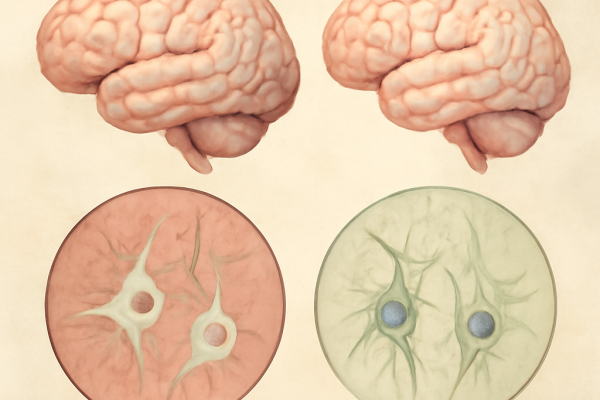
Researchers have uncovered significant differences in gene activity between male and female brains by analyzing over one million brain cells. This study, which categorized sex based on sex chromosomes, provides insights into why risks for certain brain diseases, such as schizophrenia, Alzheimer’s, ADHD, and depression, vary between the sexes. The research identified more than 100…
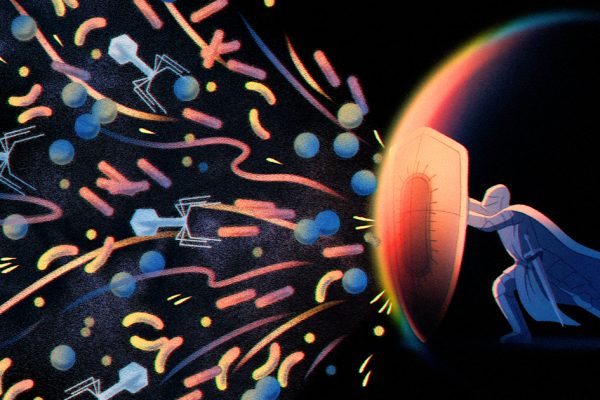
Recent discoveries have unveiled that ancient defense mechanisms evolved by bacteria and viruses still influence our own innate immune system. For billions of years, bacteria and the viruses that infect them, known as bacteriophages or phages, have been locked in a biological arms race, each developing sophisticated methods to outmaneuver the other. Interestingly, some of…

A study published in Nature on April 15, 2026, reveals that human evolution has significantly accelerated over the past 10,000 years, with hundreds of gene variants undergoing natural selection in ancient populations from western Eurasia. This acceleration is attributed to the advent of agriculture, which brought new foods, pathogens, and living conditions as humans began…
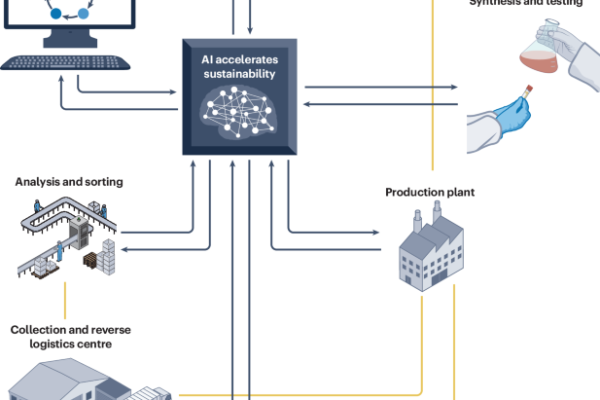
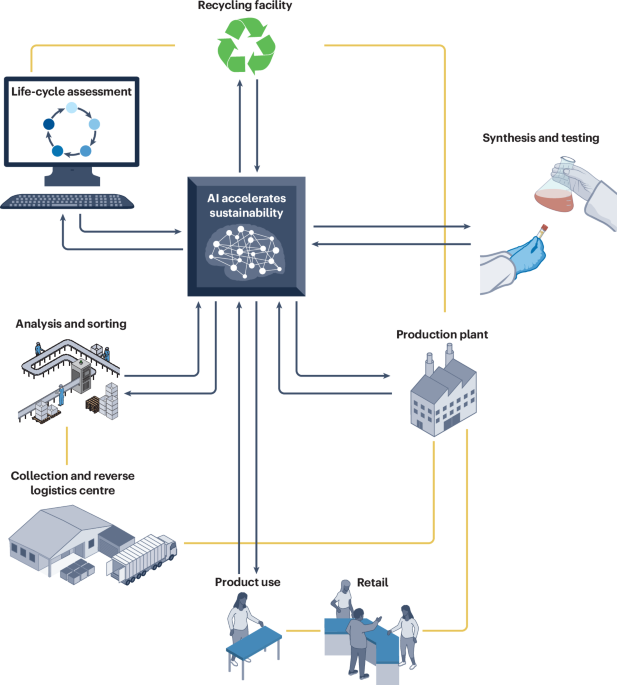
**Harnessing Artificial Intelligence for Sustainable Materials and Circular Economies** The rapid advancement of technology in the modern world has paved the way for groundbreaking innovations in various fields. Among these, artificial intelligence (AI) is emerging as a pivotal force driving the shift towards more sustainable materials and circular economies. As our global society grapples with…
Quest for Quantum: DOE’s Ambitious Plan to Revolutionize Computing in Three Years The field of quantum computing is teetering on the edge of a revolution, poised to bring transformative changes to computing power as we know it. In a bold move, the U.S. Department of Energy (DOE) has set a groundbreaking goal: to build a…
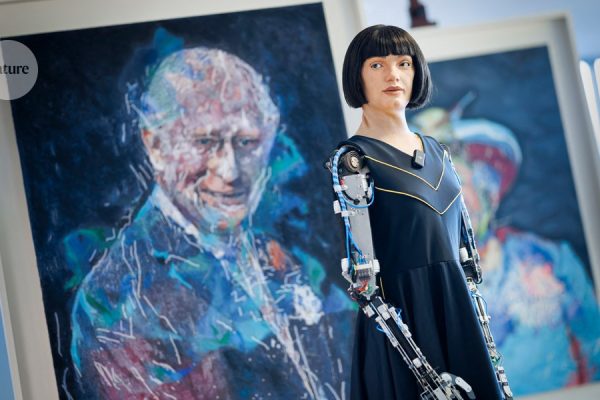
Artificial intelligence (AI) has garnered significant interest in modern society, presenting itself as a revolutionary technology with the potential to transform numerous aspects of everyday life. However, how advanced is this technology really? In his book “The AI Illusion,” Luc Julia argues that the perception of AI’s intelligence is overestimated. This article explores why it…